Safety Tip: Slip, Trip and Fall
November 8, 2018
Did you know...
- There is a high risk of slip, trip and fall (STF) due to ground or other walking surfaces being uneven, wet and/or frozen.
- Approximately 25% of all musculoskeletal injuries are attributed to STF. Falls account for 12.5% of fatal occupational injuries. Falls on the same level account for 19.9% of all nonfatal occupational injuries involving days away from work.
- It takes longer to recover from STF injuries on the same elevation and can be a future predisposition to similar injuries.
- STF can be caused by loss of coordination, loss of balance, fatigue, slippery and uneven surfaces, transitions in floor surfaces, cold weather and poor housekeeping.
- A loss of traction between the shoe and the floor surface leads to a foot slide and possible fall. Slippery walking surfaces account for 40-50% of all fall related injuries.
- Falls occur when walking, getting on or off equipment or moving from a higher level to a lower level on steps or a slope.
Tips to reduce the risk of STF injury:
- Check and maintain all walkways, stairways and ladders. Inspect pathways for unexpected holes or uneven pavement. Sweep up loose debris. Check when getting on or off equipment or ladders.
- Wear appropriate, well-fitted footwear with quality shoes for traction.
- Consider fall risks when starting at a new jobsite.
- Post warning signs around areas that may be slippery, properly de-ice walkways and stay off of mud or slick surfaces.
- Do not walk while using cell phones and do not carry objects that obstruct view.
- Provide lighting so uneven or unexpected ground changes can be seen.
- Vision should be checked by physician regularly. Be aware that aging and medications can affect balance and alertness.
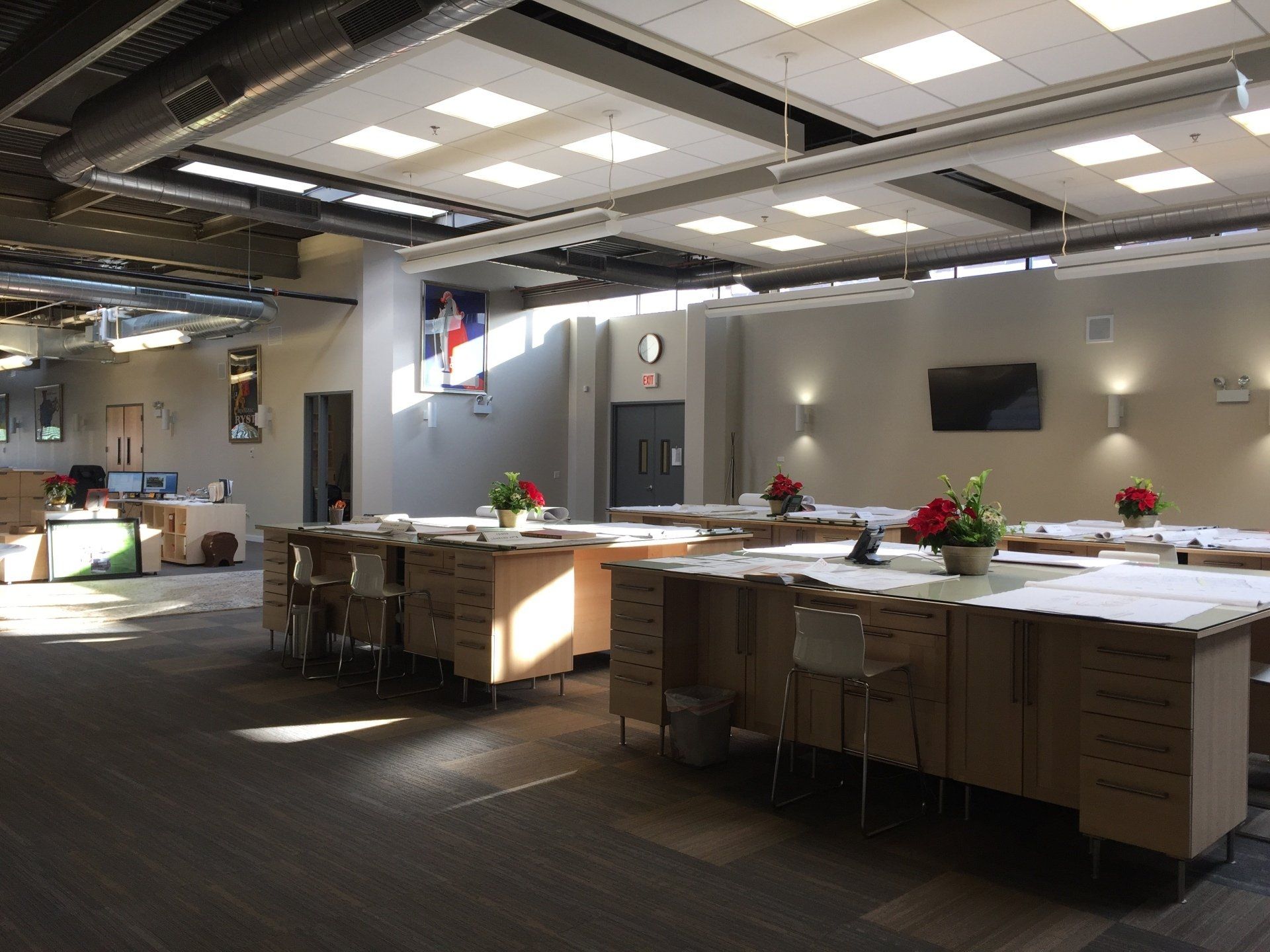
Strength Comes Not From Size But From Utilizing a Flexible and Dynamic Approach The HVAC industry is constantly changing, improving, and evolving. With a company culture that is collaborative and client-focused, AT Mechanical has been able to achieve success and growth, continuing to gain the trust and respect of those in the industry. As a full-service HVAC mechanical design contractor, AT Mechanical has differentiated itself from competitors by eliminating mistakes, focusing on being flexible and dynamic, utilizing forward-thinking systems and solutions and providing the best technology, resources, and tools to the team. To read the article featuring AT Mechanical, please visit SMACNA Greater Chicago .
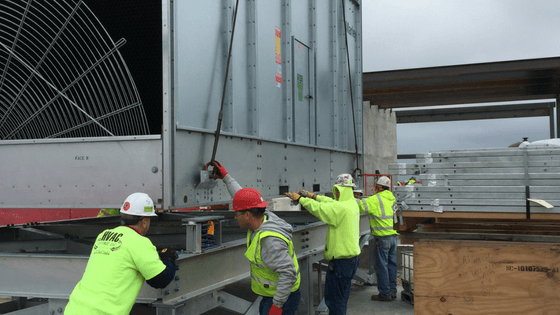
Whether you sit for long periods at your desk or spend most of your day on your feet, it's important to protect your back. Here are some tips to help protect your back.
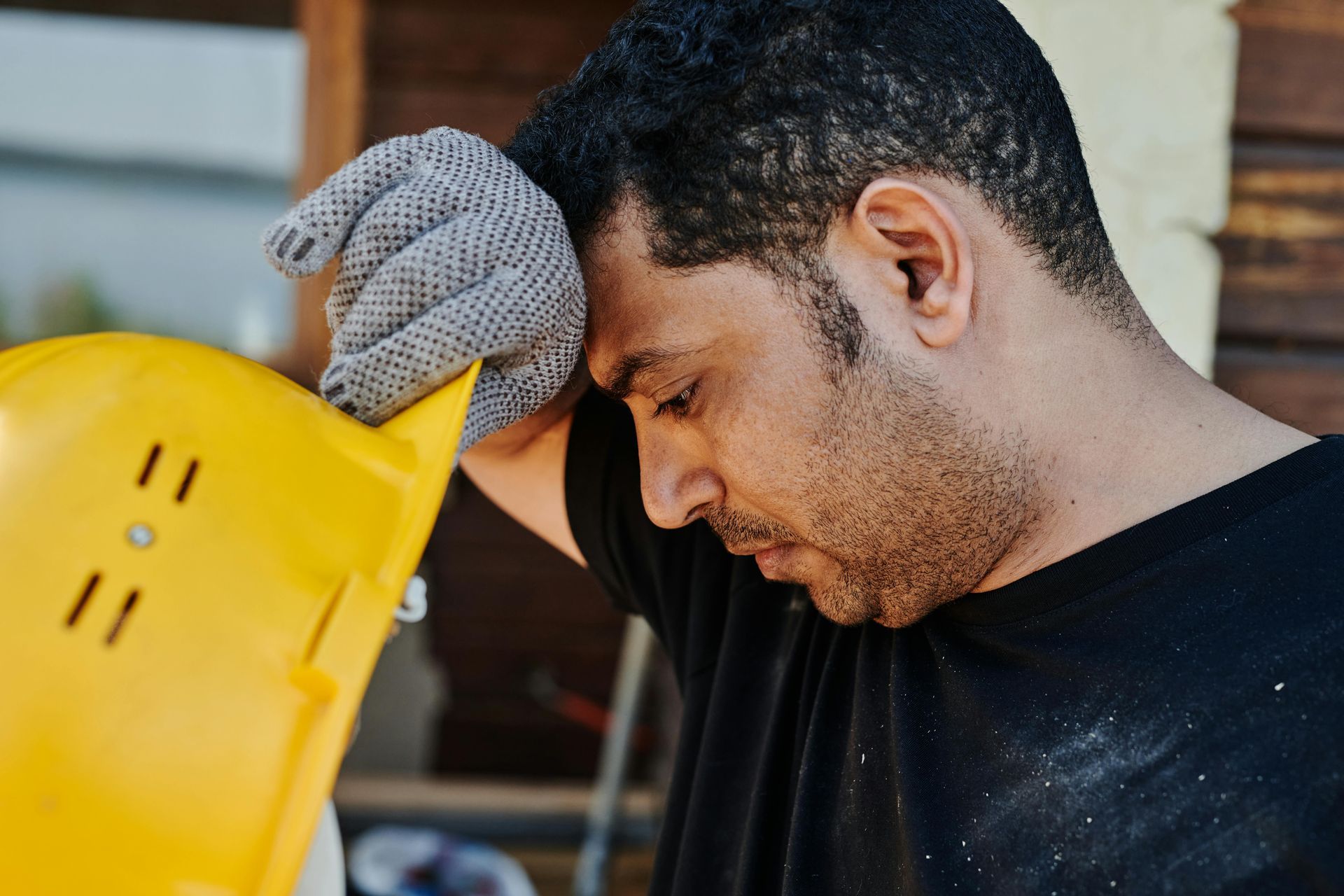
As the summer heats up, so does heat-related health concerns. Awareness of heat illness symptoms can save your life or the life of a co-worker.